
A couple of years back, I was working out of a tiny co-working spot in Ohio. I’d eat my sandwich, sink into my chair, and my tummy would swell up like a balloon. I’l blame the bread, most often. Turns out, it wasn’t the bread, but the fact that I wasn’t moving.
When you sit still after eating, your gut does too. Digestion depends on movement—the subtle rhythm of your stomach and intestines rolling food along, called peristalsis. Think of it like a wave pushing everything gently forward. A short walk sparks that motion again, like hitting “resume” on your body’s internal conveyor belt.
Scientists have found that even light activity post-meal helps the gut process food more efficiently. It’s not about burning calories or chasing fitness goals—it’s physiology. Gravity helps food move downward. Gentle movement supports muscle contractions in the GI tract. Together they keep things, well, flowing.
If you’ve ever crashed back into your desk after lunch and suddenly felt bloated or lethargic, your body’s probably saying: “Help me out here—just a little movement, please.”
The 2-Minute Rule You’ll Actually Keep
A full walk around the block isn’t always doable between calls or kids’ pick-ups. That’s where the two-minute “digestion walk” comes in—it’s bite-sized wellness that even your busiest day can hold.
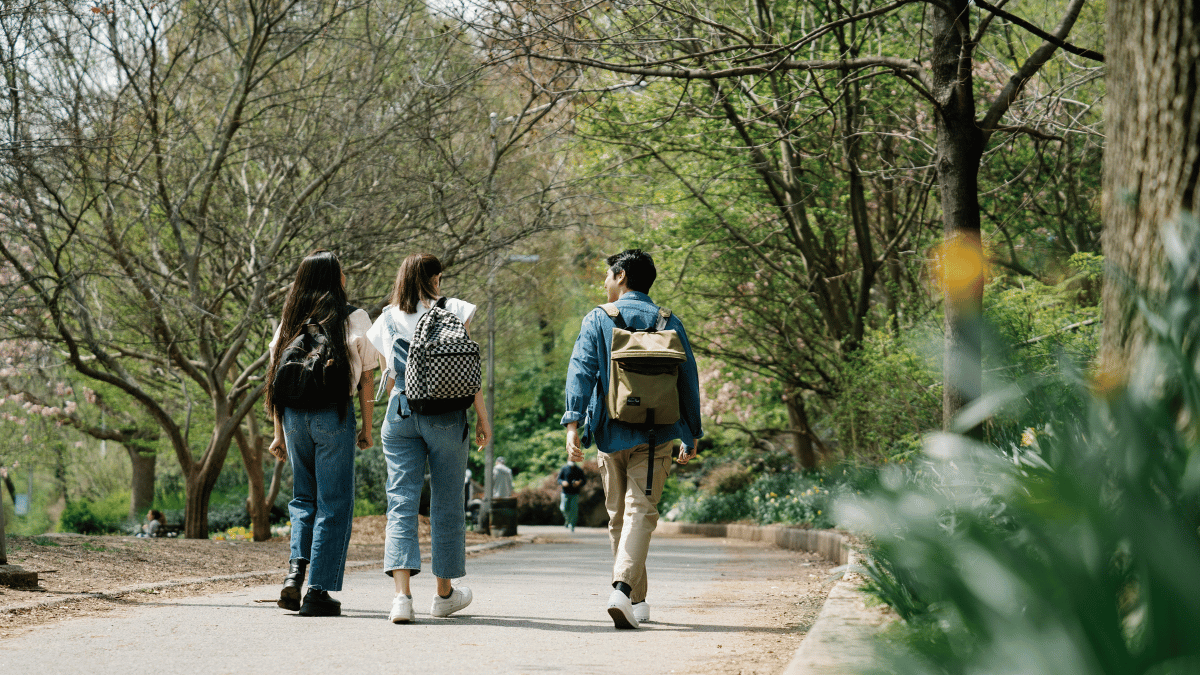
Right after eating, stand up. Walk slowly to refill your water, toss out leftovers, or loop around your living room. Don’t overthink it. Two minutes is enough to trigger circulation and nudge your digestive muscles awake.
This small window matters more than duration. Start right after you finish eating—don’t give your body a chance to slip into post-meal hibernation. It’s the consistency, not the speed, that builds the benefit.
Small Movement, Big Science
Here’s what’s quietly happening under the surface: that tiny walk stabilizes blood sugar and insulin responses, especially if you’ve had a carb-heavy meal. It also shifts your circulation just enough to reduce that groggy, heavy feeling that hits after pasta or takeout.
Your gut and brain talk constantly via the vagus nerve. Gentle motion after meals activates that connection, easing digestion and even helping calm the nervous system. It’s why cultures across the world—think of evening strolls in Italy or quiet neighborhood walks in the Midwest—naturally built this into daily life. It wasn’t a workout. It was rhythm.
As for me, I’ll be honest: once I moved my post-lunch coffee walk to right after eating—just a slow lap around the block—I started sleeping better too. My body didn’t have to play catch-up later.
Making It Stick in Real Life
The biggest hurdle isn’t knowledge—it’s remembering. A two-minute walk sounds simple until your inbox pulls you in or Netflix starts the next episode automatically. So attach the habit to something you already do. Maybe you always walk to the mailbox after dinner, or tidy up the kitchen before heading back to work. Let that ritual double as your digestion walk.
Some people even turn it into a mindfulness cue—phones down, shoulders dropped, just letting the body catch up with the meal. As my Midwest mom likes to say, “slow and steady wins the race,” and this habit proves it daily.
If you’re a data type, wearable trackers now support this beautifully. Set a “post-meal nudge” reminder for two minutes of movement after each main meal. It’s astonishing how much lighter your afternoons feel.
The Quiet Power of Letting Your Body Lead
This isn’t about following the latest TikTok wellness trend or trying to hack your metabolism. It’s about coming back to what’s been true all along: our bodies thrive on gentle rhythm. A little walk helps align your digestion, energy, and even mood into a more natural cadence.
The next time you finish lunch at your desk, resist the urge to dive straight into email. Stand up. Take those two slow minutes. Let sunlight hit your face, stretch your spine, and let your gut catch its flow again.
Bit by bit, these tiny acts become less of a habit and more of a kindness—a quiet way of saying, “I’m listening” to your own body. And sometimes, that’s the healthiest thing you can do.