
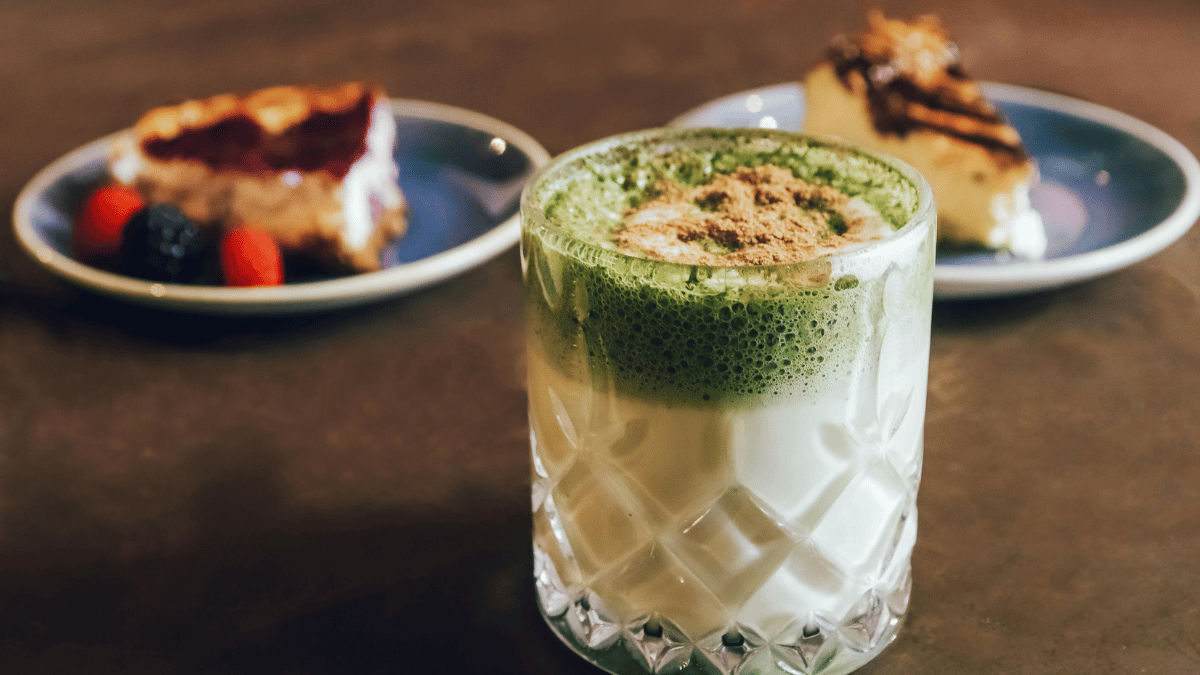
I will be honest, I fell in love with Matcha after drinking ‘Thai Matcha tea’ on my last trip to the wonderful country of Thailand. I bought back many variations of Matcha, and bought some from my local store as well. I thought this is doing something really good to the body, as Matcha is an antioxidant powerhouse. But then I heard something that kinda stopped me in my tracks. My cousin in Ohio, who’s a nurse, told me about a patient who loved Matcha but had to cut back. Anyways, that made me thing, what really is this green matcha in my cup?
Matcha has become a quiet staple in so many of our mornings. It’s the go-to for that gentle buzz, the calm focus, the bright green swirl in a latte cup. But lately, I’ve been thinking about what’s really in that powder—and how much of it we should actually be drinking.
Here’s the simple truth: matcha is made from ground tea leaves, not steeped like regular green tea. That means when you sip your matcha, you’re consuming the whole tea leaf. It’s what gives matcha that vibrant color and stronger hit of antioxidants, but it also means you take in everything the leaf absorbed—including heavy metals like lead.
What The Science Tells Us
Tea plants are naturally good at pulling nutrients from the soil, but that includes less-friendly elements like lead if it’s in the growing environment. Most of the time, when you steep tea, the metals stay trapped in the leaves, leaving only a small fraction in your cup.
Matcha is different. Because it’s powdered and consumed whole, you’re getting all those nutrients—and any contaminants—directly. It doesn’t mean matcha is dangerous for everyone, but it does mean that awareness matters. Over time, lead can build up in the body, and even small amounts matter more for kids, pregnant women, and anyone dealing with existing sensitivities.
Moderation Really Is Key
For most of us, balance is the name of the game. Experts generally suggest keeping matcha intake to around 2 to 3 teaspoons a day, which works out to about one or two cups. That’s enough to enjoy the benefits without going overboard.
I’ll be honest—when I started limiting my matcha to one cozy cup a morning, I didn’t feel deprived at all. If anything, I noticed better sleep and fewer afternoon jitters. My mom used to say, “An ounce of prevention is worth a pound of cure,” and she’s right. Small, steady tweaks can go a long way.
Choosing the Right Matcha
Not all matcha is created equal. Some growing regions, particularly in Japan—like Uji or Nishio—have tighter environmental controls and tend to test for contaminants more strictly. If you can, look for matcha that’s certified organic, shade-grown, and has third-party testing available.
When I first started reading labels instead of just picking the prettiest tin, I was surprised how different quality could be. Good sourcing doesn’t need to mean expensive; it just means transparent.
If you’re pregnant, breastfeeding, or preparing drinks for kids, traditional steeped green tea may be a gentler option. You’ll still get that refreshing, antioxidant-rich cup—just minus the risk of higher lead exposure.
The Wellness Culture Moment
You’ve probably seen the endless matcha trends online—whisk dances on TikTok, bright green smoothies, afternoon “pick-me-up” reels promising focus and calm. Wellness culture is beautiful in its curiosity, but sometimes the quieter truths get lost in the scroll.
Being healthy isn’t about drinking the trendiest thing. It’s about knowing what’s on your plate—or in your cup. And when we understand that, we take care of ourselves in tangible, everyday ways. Slow and steady wins the race, after all.
A Cup of Real Calm
So next time you reach for that matcha tin, do it with awareness. Enjoy it fully, maybe once a day, maybe every other. Choose quality, sip slowly, and let the ritual become what it’s meant to be—a mindful moment, not another thing to worry about.
At the end of the day, wellness isn’t perfection; it’s rhythm. It’s knowing your limits and honoring your body, cup by cup. Sometimes, the best health choice is the quiet one—the one that keeps you grounded, balanced, and genuinely at peace.