
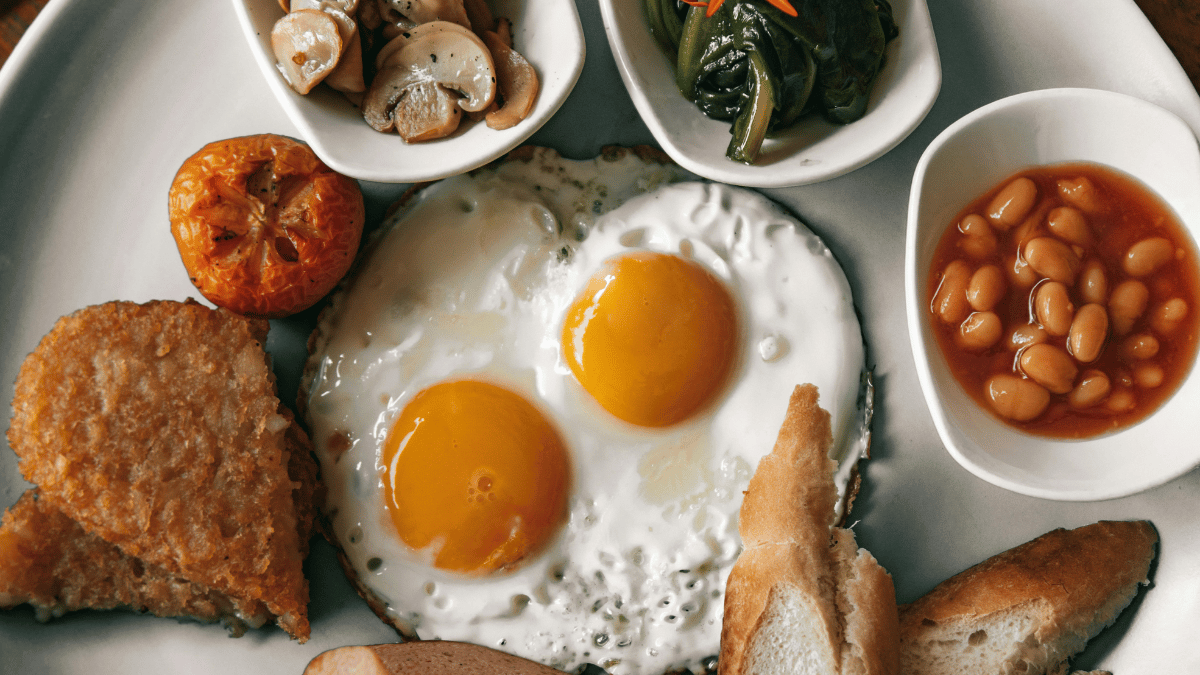
I grew up in a small town in Ohio, where Sunday breakfast always meant eggs. Sometimes boiled, sometimes scrambled. Mom was always in a hurry. And sometime, dad read a news in the paper which almost made us stop eating eggs. Everyone decided they had high cholesterol, and we swapped most of the eggs for oatmeal. The best part – we’d still feel hungry after an oatmeal breakfast. Funny how these old habits are coming back based on new science.
For years, eggs carried a reputation heavier than any skillet in the kitchen. Between morning news headlines and half-read nutrition articles, many Americans learned to equate their breakfast scramble with clogged arteries. But research keeps telling a softer, smarter story: eggs are more friend than foe when it comes to heart health, metabolism, and even mood.
Inside the Yolk: Nature’s Tiny Nutrition Capsule
Each egg is a miniature multivitamin in its own right. The white brings clean, high-quality protein—about six grams per serving. The yolk, meanwhile, houses choline for brain support, lutein and zeaxanthin for eye health, and vitamin D for bone and mood balance. These nutrients work like teammates, not troublemakers.
Choline, in particular, fuels acetylcholine, a neurotransmitter linked to memory and focus. Lutein and zeaxanthin act as antioxidants, protecting the eyes from daily screen strain. And the blend of natural fats in the yolk helps your body absorb fat-soluble vitamins that egg whites alone can’t deliver.
Your liver, not your breakfast, is the real cholesterol manager here. It automatically adjusts its own production based on what you eat. So, for most people, dietary cholesterol from eggs barely nudges blood cholesterol at all. The real culprits are ultra-processed oils and foods that overload inflammation.
Best Timing for Energy and Balance
Morning is the ideal time for most people to eat eggs. Your metabolism naturally rises as daylight hits, and a protein-rich meal stabilizes blood sugar through the late morning sprint. I’ve noticed that when I pair two eggs with greens and whole-grain toast, I skip the 10 a.m. coffee craving entirely.
If evenings are when you can finally slow down, a lighter egg-based meal can still fit beautifully. Try a vegetable frittata with lentils or a warm salad topped with a poached egg. It’s gentler on digestion than a heavy dinner and still satisfies the need for real food at the end of a long workday.
Just be mindful of timing. A big omelet too close to bedtime might keep digestion humming when your body’s trying to wind down. Two to three hours before bed—that’s your sweet spot for late-night egg meals.
How It Helps Digestion, Sleep, Mood, and Energy
Protein-rich foods like eggs work beautifully with your gut and brain chemistry. They stabilize blood sugar, prevent cortisol spikes, and feed the production of serotonin, which governs both appetite and mood. That means steadier energy and less of the afternoon irritability that fuels poor food choices.
Eggs also support the microbiome when combined with fibers and fermented foods. Scrambled eggs with spinach and a spoon of sauerkraut might sound rustic, but it’s a quiet powerhouse for a balanced gut. My Midwest mom swears by soft-boiled eggs on sourdough with a little kimchi—something she picked up from a neighbor and never looked back.
When digestion is calm, so is your mental state. That’s the gut-brain loop at work—less gas, bloating, or fog, more clear-thinking and lightness.
Practical Guide: How Much and How Often
For most healthy adults, six to twelve eggs per week is a comfortable range. That might mean one per day, or a few heavier egg mornings with rest days in between. Pair eggs with vegetables, legumes, or grains to round out fiber and micronutrients.
A few ideas worth trying:
- Poached eggs on avocado toast with a squeeze of lemon
- Soft-boiled eggs with roasted sweet potatoes and spinach
- A veggie-stuffed omelet with oregano and olive oil drizzle
If you like to experiment, add turmeric or paprika to your eggs for subtle anti-inflammatory benefits. And if your body’s not used to eggs, start slow—one every few days, then note how you feel: satisfied, light, or maybe sluggish. The feedback loop is your best nutrition teacher.
Who Should Be More Cautious
Anyone managing high cholesterol, familial hypercholesterolemia, or advanced diabetes should take a personalized approach. A small group of “hyper-responders” may see a noticeable LDL bump, though switching away from processed fats often has a stronger effect than cutting eggs.
If eggs ever cause mild digestive upset, pair them with fibrous or fermented foods to ease absorption. Wellness isn’t about perfection—it’s about rhythm. Like making the perfect omelet, you need practice, patience, and a little heat.
The Quiet Power of Steady Choices
Wellness, much like most good things, grows from repetition. “Slow and steady wins the race,” as the saying goes. Choosing eggs not out of guilt or trend, but out of understanding, can be one of those small, wise acts that keeps body and mind in sync.
So tomorrow morning, before racing to work or another school drop-off, crack an egg. Let it remind you that nourishment doesn’t need to be flashy—just real, balanced, and kind to your rhythm of living. Take it one breakfast at a time.