
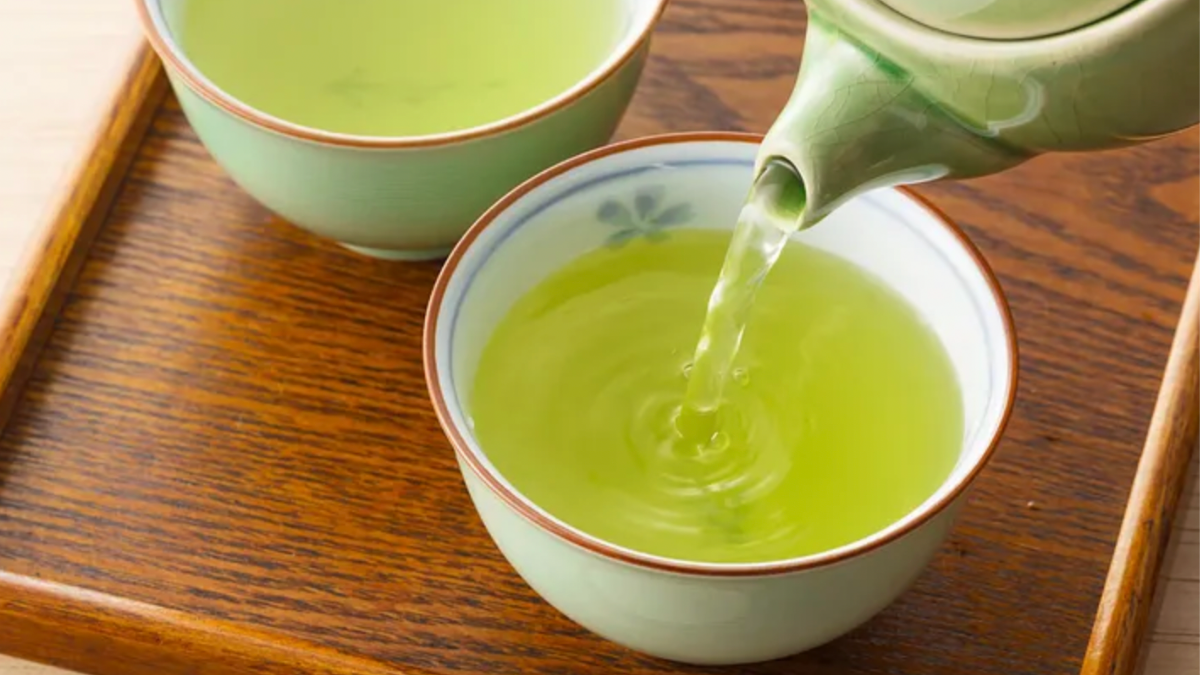
Have you ever tried green tea? I am sure you would have and like millions of people across the globe must be expecting health benefits from it. Green tea is celebrated as a drink rich in antioxidants, metabolic enhancers, and gentle natural stimulants. All these benefits are real and millions get benefits daily from it. However, despite its widespread reputation for benefits, green tea is not universally suitable. Some individuals can experience pronounced side effects or complications, especially when consumed in large amounts or in the presence of certain health conditions.
The Less-Told Side: Who Should Be Cautious?
Green tea contains a blend of caffeine, tannins, and catechins—compounds with both positive and negative health effects. Caffeine, for example, can help with alertness but may trigger sleep problems, anxiety, or rapid heartbeat in sensitive people. Tannins are plant molecules that, at higher doses, may irritate the stomach and hinder absorption of some nutrients, especially iron. Catechins, the antioxidants found in green tea, offer health protection in moderate amounts but can reduce iron uptake and may strain liver health when taken excessively.
For the vast majority of healthy adults, drinking two to three cups a day is generally safe, but more than that raises the risk of side effects like headaches, sleeping problems, stomach discomfort, and even dizziness in some.
Who Should Avoid Green Tea or Exercise Caution?
- People with digestive sensitivity or acid reflux:
Green tea lowers the tolerance threshold for those prone to stomach troubles. Its tannins can increase stomach acid, which may worsen issues like acid reflux, ulcers, or gastritis. Those affected should consider drinking green tea only after eating, not on an empty stomach. - Individuals with iron deficiency or anaemia:
The compounds found in green tea can limit the body’s ability to absorb non-heme iron, which is common in plant-derived foods and dairy. This makes it more difficult for people living with anaemia to stay healthy. To minimize this risk, consume green tea between meals and pair iron-rich meals with vitamin C sources like citrus fruits to help offset its effects. - Pregnant and breastfeeding women:
During pregnancy and lactation, it’s advised to limit caffeine and green tea specifically because excess intake may increase risks for miscarriage, disrupt infant sleep or development, and interfere with folic acid absorption. Health professionals generally recommend no more than two cups of green tea per day in these cases. - People who are especially sensitive to caffeine:
Even a single serving of green tea contains enough caffeine to cause jitters, irritability, rapid heartbeat, or sleep loss in those who don’t tolerate it well. High caffeine intake can also hamper calcium absorption, potentially weakening bones. Such individuals should stick to one cup daily or opt for caffeine-free alternatives. - Children:
Green tea is unsuitable for children because the caffeine it contains can disrupt their developing nervous systems. Tannins in green tea may also limit protein and fat absorption, both of which are crucial for proper childhood growth. - Anyone dealing with certain medical conditions:
Green tea, and more so its concentrated extracts, can worsen a variety of medical concerns, including anxiety disorders, bleeding problems, irregular heart rhythms, and diabetes. People diagnosed with irritable bowel syndrome or those experiencing chronic diarrhoea may see their symptoms worsen after consuming it. It also poses risks for those with glaucoma, liver disorders, or osteoporosis, where green tea’s effects on eye pressure, liver strain, or calcium depletion may cause harm.
Green Tea and Medication Interactions
Green tea has the potential to interact negatively with certain medications, particularly those stimulating the heart or nervous system, such as amphetamines and nicotine-based products. This type of interaction increases the risk of overstimulation and unwanted side effects.
Savvy Consumption: How to Enjoy Green Tea Safely
For most, green tea is safe when limited to a couple of cups per day. Key tips for minimizing risk include:
- Allow your tea to cool slightly before drinking to prevent digestive irritation.
- Drink it separately from iron-rich meals.
- Pregnant, breastfeeding, or medically vulnerable individuals should seek medical advice before regular use.
- Always prioritize moderation and be attentive to any unusual symptoms.
Conclusion
Green tea brings many benefits, but “healthy” doesn’t always mean “harmless.” Factors such as caffeine sensitivity, pre-existing health issues, and age can all influence whether green tea belongs in your daily routine. Understanding your own body’s needs—and drinking green tea mindfully—ensures you benefit from its strengths without unintended drawbacks.