
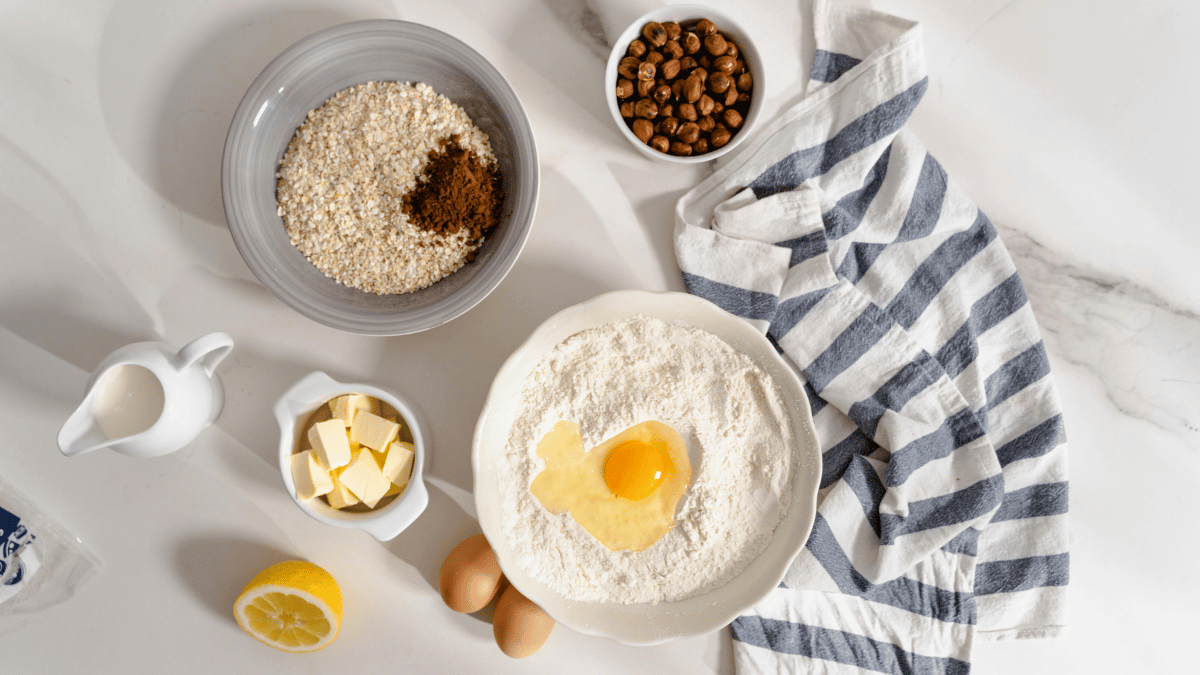
Mornings are crazy. Period. Packing lunches, juggling work calls, and trying to squeeze in a coffee run, and figuring out what to eat often falls in late. I remember my small-town neighbour, who swore by eggs, but hated oatmeal. While its a fact that it feels like ‘mush’, but when she started mixing them up – things changed.
Choosing a breakfast that fits your busy life while delivering the right nutrition can feel like a balancing act. Eggs and oatmeal are both breakfast stars but shine in different ways. If you’ve ever wondered which is better for fiber and protein, here’s the lowdown in simple terms you can fold into your mornings without stress.
The Protein Champion: Eggs
Eggs are like the all-star in the protein league. Two large eggs pack about 12 to 14 grams of complete protein, meaning they contain all nine essential amino acids your body craves for building and repairing muscles. This makes eggs especially helpful if you want to feel fuller longer, keep your blood sugar stable, or support recovery after that morning workout or late-night Netflix binge.
One thing to note: eggs don’t have any fiber. So while they offer muscle and energy support, they don’t help much with digestion or keeping you regular.
The Fiber Champion: Oatmeal
Oatmeal, especially rolled or steel-cut oats, is your gut’s friendly neighborhood hero. A half-cup of dry oats delivers 4 to 5 grams of fiber, mostly soluble fiber called beta-glucan, which has a quiet but powerful effect on lowering LDL cholesterol — the so-called “bad” cholesterol. That’s an ounce of prevention against heart issues right there.
Oats also provide some protein — about 5 to 6 grams per serving — but not nearly as much as eggs. More than anything, oats give you steady, slow-burning energy that helps avoid the 3 p.m. slump, perfect for long school days or those busy Target runs.
Best Timing for Your Breakfast Boost
Timing can make a big difference in how you feel throughout the day. For many Americans, mornings are a mad rush between wake-up and school drop-off. Squeezing in a balanced breakfast that adds both protein and fiber helps tide you over until lunch, reducing those late-morning snack attacks.
If you often deal with late dinners or find yourself doom-scrolling on your phone well past bedtime, focusing on breakfasts with this combo can gently support your circadian rhythm. I’ll be honest—when I moved my last coffee consumption to before 2 p.m. and added a protein-fiber breakfast, my sleep improved, and mornings felt less like a fog.
How Eggs and Oatmeal Help Digestion, Sleep, Mood, and Energy
Fiber from oats feeds your gut microbiome, the tiny helpers that aid digestion and even influence mood through the gut-brain axis. Those slow-digesting carbs keep your energy stable without the spike-and-crash rollercoaster. On the flip side, the protein and fat in eggs help keep hunger away longer and steady your blood sugar, which can improve both focus and mood.
Plus, the nutrients in eggs support muscle repair, important for anyone squeezing in workouts around school runs or working a 9-to-5. And beta-glucan fiber in oats gently lowers inflammation—a key factor in better sleep and overall wellbeing.
Practical Guide to Combining Eggs and Oatmeal
You don’t have to make a full-on breakfast project of this. Here are simple ways to pair these power players:
- Protein Oats: Whisk in two egg whites to your oatmeal during the last minute of cooking. It’s an invisible protein boost that keeps your oats creamy.
- Savory Bowl: Try a hard-boiled egg or scrambled egg whites with a small bowl of unsweetened oatmeal on the side.
- Baked Oats: Use eggs as a binder in baked oatmeal recipes for grab-and-go meals that cover both protein and fiber.
Start slow if you’re new to mixing these foods, especially if your digestion reacts strongly to higher fiber or eggs. Some may experience mild bloating or discomfort at first, so listen to your body. And as always, talk to your doctor if you have any allergies or medical conditions.
My Midwest mom swears by this combo, saying, “Slow and steady wins the race, especially with breakfast.” It’s about adding a small, sustainable habit that nudges you toward better health without turning your mornings upside down.