
Coffee without sugar – just didnt cut it for me. I used to dump a spoonful every morning in my cup. think of it as my morning ritual. Now, that’d worf pretty good for the first 30 minutes, but it would come to a hard crash before lunch. That was a rhythm I started noticing, it certainly was a seepage in my energy levels.
Let’s be honest—most of us have reached for that sugar jar without a second thought. For years, my morning coffee felt incomplete without it. No sugar meant no sip. But as I started paying more attention to my health, I began noticing patterns. My energy surged after each sweetened cup, only to crash soon after. It wasn’t the caffeine—it was the sugar itself quietly draining me.
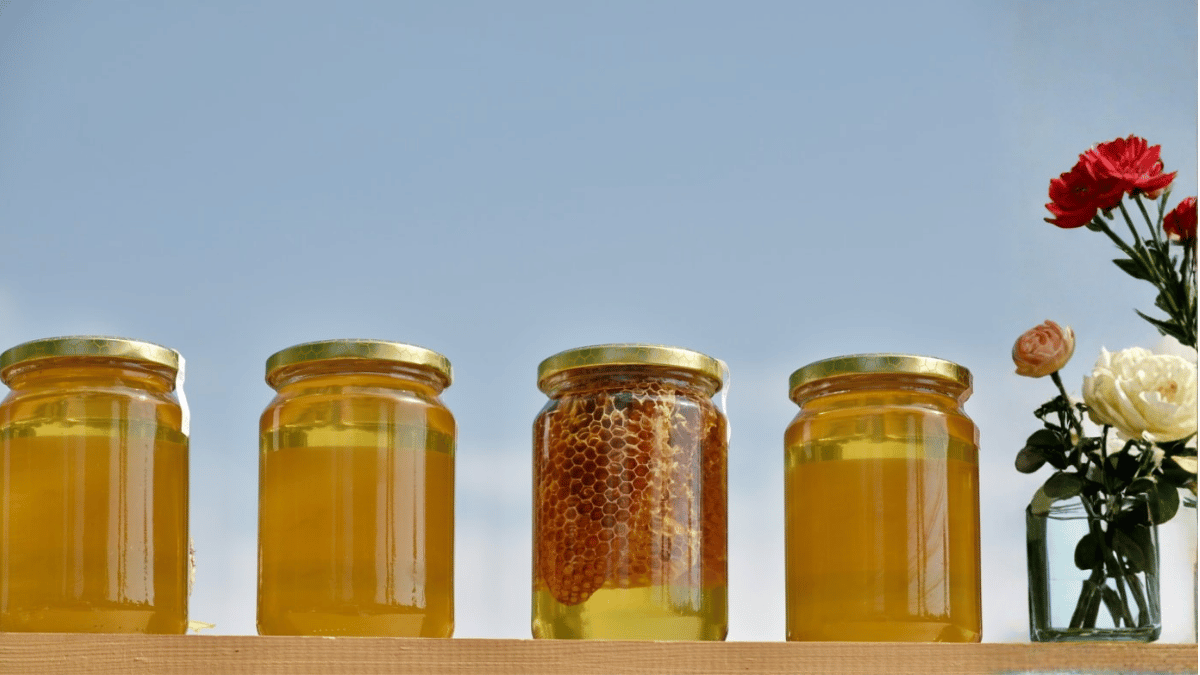
So one morning, I swapped it for honey. That single change sparked an unexpected transformation. It turned out to be the sweetest switch my gut had been waiting for.
The Subtle Difference That Matters
There’s something soothing about stirring a spoonful of golden honey into a cup of warm tea. It feels wholesome, almost nostalgic. But its magic goes beyond comfort and flavor—it lies in how differently it fuels your gut compared to processed sugar.
Granulated sugar, or sucrose, is straightforward and fast-burning. Your body quickly breaks it down into glucose and fructose, leading to sudden spikes in blood sugar and energy that just as quickly crash. This instant fuel leaves your gut bacteria starving. Worse, it can encourage less beneficial microbes to thrive, tilting your internal balance toward inflammation and fatigue.
Honey, however, offers more complexity. Along with its natural sugars, it contains oligosaccharides—prebiotic carbohydrates that travel down to your colon, feeding helpful bacteria such as Bifidobacteria and Lactobacilli. These microbes keep your digestion smooth, your mood balanced, and your immune system strong. In short, honey doesn’t just taste better—it works smarter.
The Science Behind Honey’s Healing Touch
Think of your gut as a garden. While refined sugar scorches the soil, honey nourishes it. Its oligosaccharides act like compost, supporting the growth and diversity of beneficial bacteria. A thriving microbiome, in turn, influences everything from energy levels to stress regulation and even sleep quality.
Honey also carries trace amounts of polyphenols—natural antioxidants that reduce oxidative stress and inflammation in the gut. In raw or lightly filtered forms, it even exhibits gentle antimicrobial properties that help prevent bacterial overgrowth.
When to Add Honey
Timing can enhance honey’s benefits. Mornings are ideal: adding a teaspoon to warm water or tea jumpstarts metabolism and provides steady energy without crashing. In the evening, honey pairs beautifully with herbal tea, encouraging relaxation and supporting serotonin production—the neurotransmitter linked to calmness and restful sleep.
For me, taking a small spoonful before bed became a quiet ritual. After long workdays, that gentle sweetness helped ease digestion and settle restlessness. Wellness doesn’t always come through grand gestures; sometimes, it’s found in these calm, mindful moments.
The Gut–Brain Connection
Your gut and brain are deeply intertwined, communicating constantly through the gut-brain axis. When your microbiome thrives on prebiotic-rich foods like honey, it helps produce serotonin and supports melatonin balance—improving both mood and sleep. Reduced inflammation also stabilizes hunger cues and boosts focus.
Just a teaspoon or two of raw honey daily—added to coffee, oatmeal, or yogurt—can help restore balance without overwhelming your system.
Simple Ways to Use It
Start with one teaspoon (about 5 grams) a day. Try it in:
- Warm lemon water to gently wake digestion
- Oatmeal or Greek yogurt for a prebiotic breakfast boost
- Herbal tea before bed for soothing calm
- Whole-grain toast with almond butter for steady energy
Avoid adding honey to boiling liquids—let your drink cool slightly first to preserve its nutrients. If you’re new to prebiotic foods, increase slowly; mild bloating may occur as your gut adjusts. People with diabetes or pollen allergies should consult a doctor before regular use.
A Sweetness That Serves
Choosing honey over processed sugar isn’t about following trends. It’s about choosing nourishment over impulse—supporting your body’s natural rhythm with small, consistent steps.
That simple act of stirring honey into your morning cup can become more than routine—it’s a daily reminder to feed the life within you. One golden drop at a time, you’re not just sweetening your drink; you’re sustaining your inner balance.