
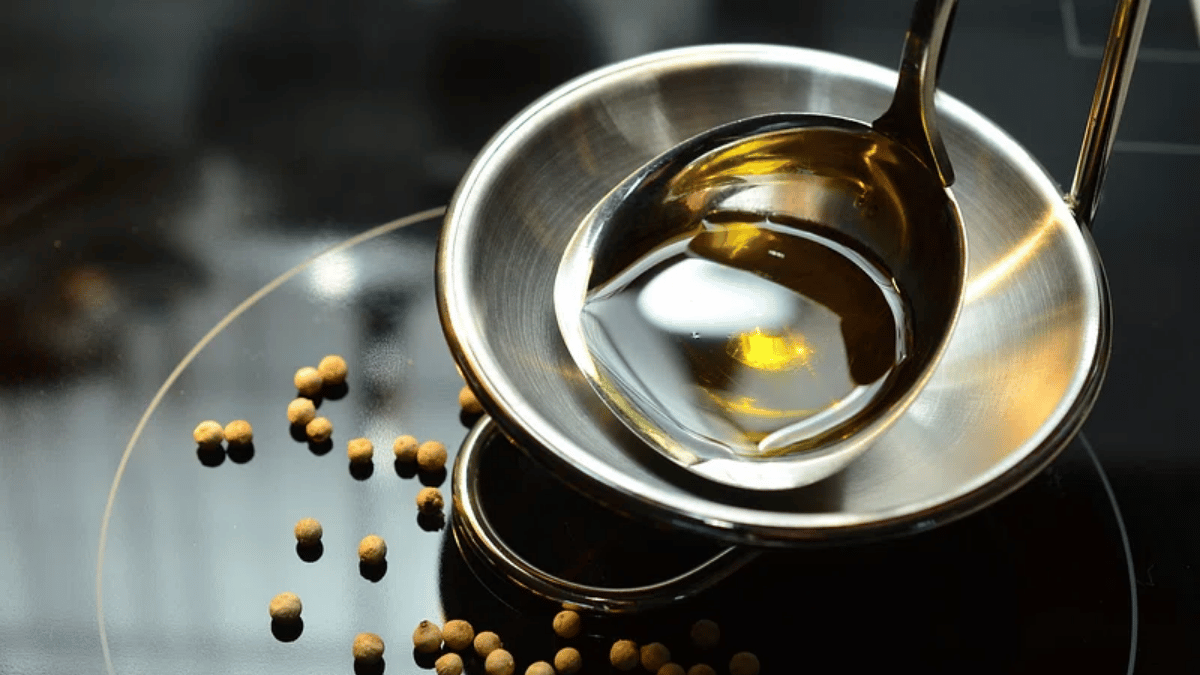
I used tp thonk all cooking oils are the same. I’d grab whatever was the cheapest at the grocery store, toss in in the pan, and call it a day. I didnt really think much, especially how much itwiuld be messing my body, especially the liver. Then one checkup later, my doctor said my liver looked a ‘little tired’.
We often think of food as pleasure, but rarely as partnership. Every time oil hits a warm pan, tiny biochemical stories begin — especially in the liver, an organ that quietly filters, stores, and energizes the body all day long. When we choose the right oil, we’re not just shaping flavor but supporting metabolism, immunity, and long-term vitality.
Non-alcoholic fatty liver disease (NAFLD) has become increasingly common with today’s seated lifestyles and processed diets. The liver, designed to process nutrients and clear toxins, becomes overworked by excess saturated fats and sugars. Choosing oils rich in unsaturated fats and antioxidants can balance this load, allowing the liver to store less fat and reduce oxidative stress.
In plain terms, the kind of fat you cook with directly affects how your liver feels. A light drizzle of olive or flaxseed oil carries anti-inflammatory fatty acids, while heavier blends made from refined vegetable oils often push the liver into overdrive. It’s like expecting your car to run smooth on thick, sticky fuel — sooner or later, it starts stalling.
The Science in Simple Words
The healthier oils — extra virgin olive oil (EVOO), flaxseed oil, canola oil, MCT oil, and avocado oil — share one quiet strength: they’re high in unsaturated fats and low in compounds that trigger inflammation.
EVOO, for example, is rich in oleic acid, a monounsaturated fat that helps the body use insulin wisely and keeps fat from collecting in the liver. Polyphenols in olive oil also guard liver cells from oxidative stress — a kind of internal rusting that happens when our metabolism runs under constant tension.
Flaxseed oil stands out for alpha-linolenic acid (ALA), a plant-based omega-3 that reduces triglycerides and supports smoother liver enzyme activity. I’ve noticed that adding a small spoon of flaxseed oil to morning oatmeal not only adds a nutty flavor but keeps me feeling lighter through the day.
MCT oil, popular in wellness circles and keto routines, behaves differently. It travels straight to the liver, where it’s burned for quick energy rather than stored as fat. Studies suggest this efficient absorption may reduce liver fat accumulation over time.
And then there’s avocado oil — smooth, grassy, and increasingly popular in home kitchens. It carries both oleic acid and antioxidants like vitamin E, supporting not only heart health but also the liver’s ability to regenerate and repair.
When to Use It and Why Timing Matters
Timing can subtly enhance how these oils support your body. Using lighter oils — like olive or avocado — earlier in the day pairs with the body’s natural metabolic rhythm. Morning and midday meals are when the liver’s enzymes are most active, ready to process nutrients efficiently.
Post-work or evening meals, lighter oils may also ease digestion. I’ve found that a late dinner with steamed vegetables sautéed in a teaspoon of olive oil feels much easier on the stomach than one made with butter or heavy refined oil. The liver, less active at night, appreciates moderation before sleep.
If you use MCT oil, mornings tend to work best — stirred into coffee or smoothies — since it gives a clean flow of energy without straining digestion. Think of it as fuel that burns bright and fast without leaving residue.
How It Affects Mood, Digestion, and Energy
Beyond liver health, these oils support the gut-brain connection that governs mood, sleep, and energy. Oils rich in omega-3s and polyphenols influence serotonin and melatonin production — hormones tied to calmness, stable mood, and restorative sleep.
A balanced microbiome, where good bacteria thrive, also depends on the right fats. Anti-inflammatory oils create an environment where gut bacteria can flourish and produce short-chain fatty acids, essential for digestion and immunity. That ripple effect often shows up as better focus, improved mornings, and less bloating after meals.
As an old saying goes, “You are what you can digest.” Supporting the liver and gut means the energy you get from food flows more evenly instead of spiking and crashing.
A Simple, Practical Guide
Start small — about one to two teaspoons of high-quality oil per meal is usually enough for cooking or finishing. Rotate between EVOO for salads and sautéing, avocado oil for higher-heat cooking, flaxseed oil for dressings or smoothies, and MCT oil for your morning beverage.
Try:
- A drizzle of olive oil over roasted vegetables or whole grains.
- Flaxseed oil blended into a mid-afternoon smoothie.
- A teaspoon of MCT oil before a long work session for steady focus.
- Avocado oil brushed on grilled fish or chicken.
Avoid sudden switches — the liver and gut adapt best to slow, steady changes. People with gallbladder issues or digestive sensitivity should introduce oils gradually, starting with half a teaspoon and observing how their body responds. Too much MCT oil at once can cause mild stomach upset or loose motions, so take it easy. When in doubt, it’s wise to check in with a healthcare professional, especially if you have diabetes or metabolic concerns.
The Everyday Exchange That Adds Up
Cooking oil may seem basic, but the daily choice between refined and natural fats quietly influences energy, inflammation, and mood. Most of us don’t need drastic overhauls; we need steadier swaps. As the saying goes, “An ounce of prevention is worth a pound of cure.”
Making oil work for you is not about cutting out everything you enjoy but about shifting your base — letting the right kinds of fat become silent allies in your meals. If you stay consistent, a few mindful choices today might mean less fatigue, smoother digestion, and a calmer liver tomorrow. Over time, this small, rhythmically repeated habit can help your body do what it’s built to do: restore itself, meal after meal, day after day.